Understanding valorant seasons –what you need to know
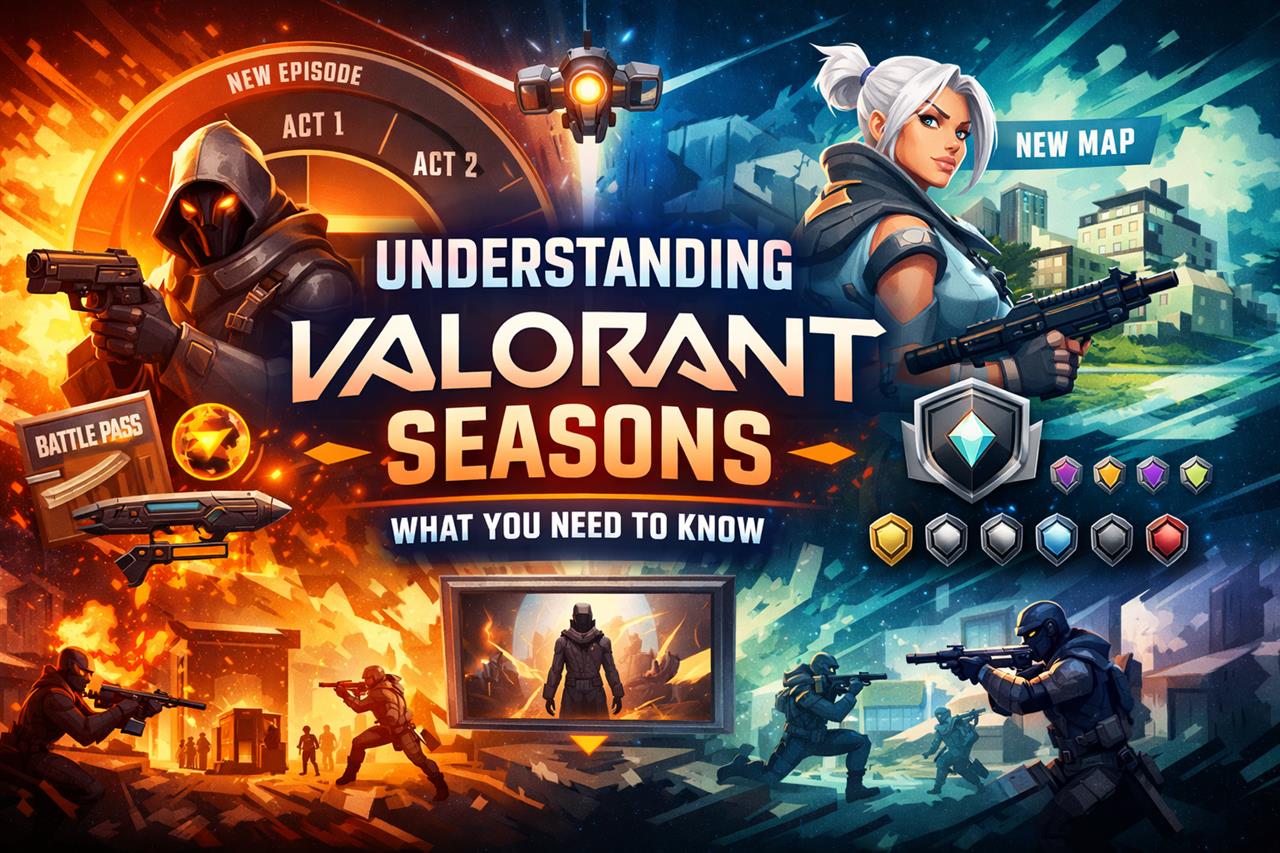
Riot Games' first-person shooter, Valorant, has captivated players worldwide since its release in 2020. One of the critical components driving the game's longevity and engagement is its seasonal content. Known for regular updates, new agents, and evolving storylines, Valorant seasons offer players fresh experiences and competitive challenges throughout the year.
What Are Valorant Seasons?
In Valorant, a season is referred to as an Episode, which is further divided into Acts. Each Episode typically spans six months and contains three Acts. Acts last approximately two months and serve as mini-seasons within the broader Episode framework. These structured timeframes enable Riot Games to roll out new content progressively, keeping gameplay dynamic and providing regular opportunities for progression and ranked resets.
Structure of an Episode
Each Episode brings major content additions such as new agents, maps, or significant balance changes. The start of an Episode is often marked with extensive patch notes, a cinematic, and sometimes a dramatic shift in Valorant's in-game lore. Acts within an Episode maintain the momentum by introducing new Battle Passes, skin lines, and ranked competitions.
The Role of the Battle Pass
With every new Act, players gain access to a new Battle Pass - a tiered progression system that grants in-game rewards such as weapon skins, sprays, and player cards. By completing daily and weekly missions, players can earn XP to unlock these items. The Battle Pass helps incentivize consistent play and keeps the player base engaged throughout the course of an Act.
Ranked System and Seasonal Resets
How Competitive Ranks Work
The ranked system in Valorant is closely tied to its seasonal structure. At the beginning of each Act, players must complete a set of placement matches to determine their initial rank. Performance in these matches, combined with past seasonal data, decides where a player begins the new competitive climb.
Reset Mechanics
While a full rank reset does not happen every Act, players can expect a soft reset. This mechanism ensures that overall ranking is a reflection of current skill while still acknowledging past achievements. This balance encourages competitive integrity and healthy matchmaking dynamics.
Seasonal Updates and Events
New Agents and Maps
One of the most exciting parts of a new Valorant season is the introduction of a new Agent or Map. Agents come with unique abilities that can significantly shift the meta, requiring both casual and professional players to adapt their strategies. Maps, on the other hand, add new dimensions to gameplay and team compositions.
Limited-Time Events
Occasionally, special events coincide with seasonal launches or holidays. These events may include themed game modes, exclusive cosmetics, or lore-driven content drops. These enhancements contribute to the richness of each season and provide short-term goals for players to achieve.
Why Valorant Seasons Matter
The seasonal structure in Valorant serves multiple purposes. It provides consistent content updates, supports competitive balance, and fosters player engagement through progression systems. By having predictable yet evolving seasons, Riot ensures the ecosystem remains vibrant and accommodating for both new and veteran players alike.
Looking Ahead
As Valorant continues to grow, the seasonal format will undoubtedly evolve. With increasing ties to esports, narrative development, and community feedback, each new Episode and Act promises to deepen the Valorant experience. Whether you're a casual gamer or a competitive enthusiast, there's always something to look forward to each season in Valorant.
To stay up to date on the current and upcoming Valorant Episodes and Acts, visit the complete guide on Valorant seasons.